August 20, 2026
Routine air conditioning maintenance is one of the most effective ways to reduce the likelihood of unexpected breakdowns and costly AC repairs. When an AC system receives consistent attention, small issues can be identified before major problems develop. Regular upkeep also supports efficient operation, dependable cooling, improved indoor comfort, and a longer service life.
Neglecting maintenance can allow dirt, worn components, airflow restrictions, and other problems to place unnecessary strain on an AC system. Eventually, that strain may result in sudden failures that disrupt comfort and require professional intervention. According to HomeGuide, AC repairs can take anywhere from 1 to 8 hours, depending on which part needs attention. Preventive maintenance can help homeowners avoid some of these inconvenient repair situations while keeping their cooling systems operating reliably.
Check Essential AC Components Regularly
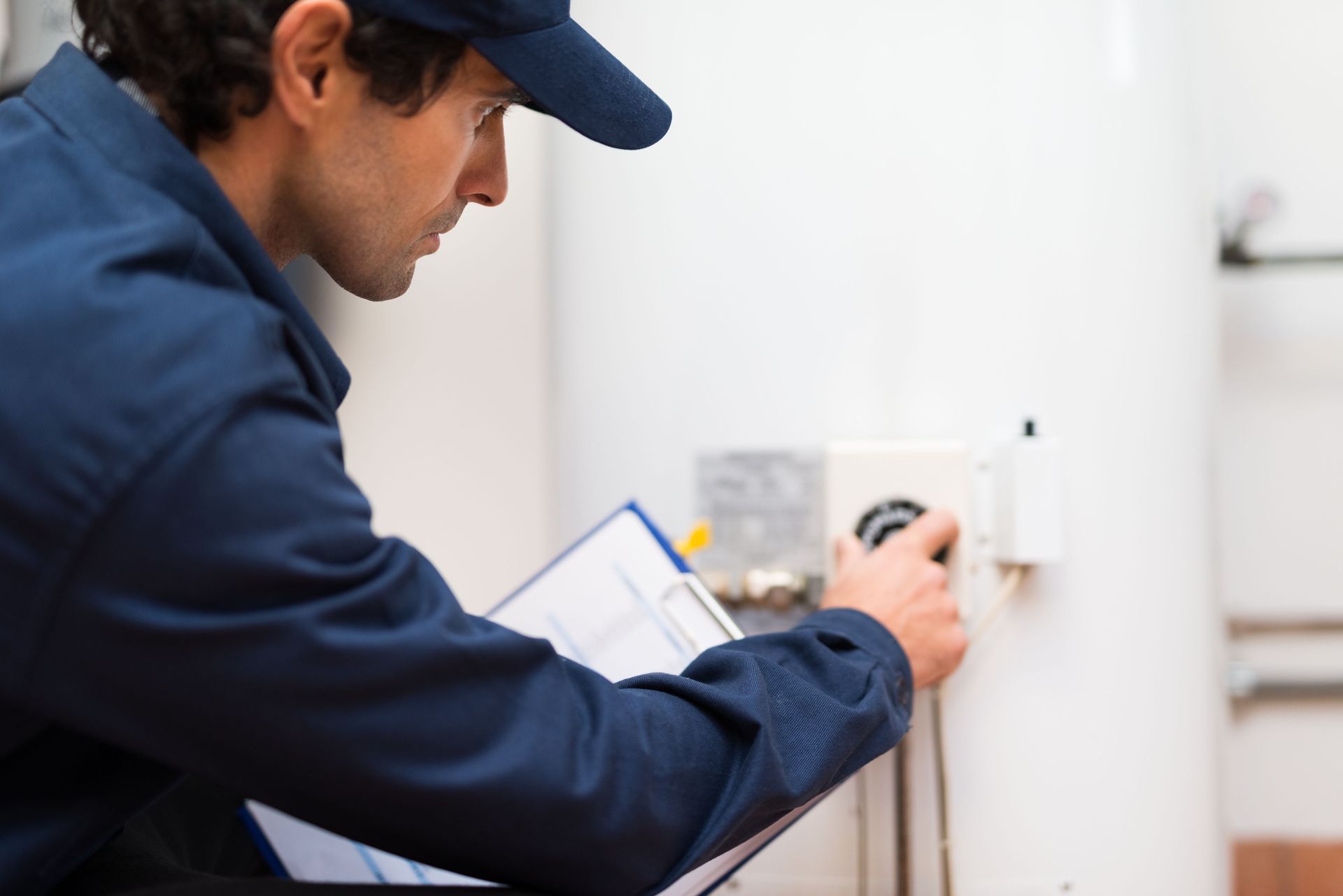
Routine inspections help homeowners and HVAC professionals identify developing problems before serious AC repairs arise. One of the simplest maintenance tasks is checking the air filter. A dirty or clogged filter restricts airflow, forcing the system to work harder to maintain the desired indoor temperature. Replacing or cleaning the filter as appropriate can support better airflow and more efficient operation.
The thermostat also deserves attention. An accurate thermostat helps the AC system respond appropriately to temperature changes instead of running unnecessarily. If the thermostat appears inaccurate or inconsistent, professional evaluation can help determine whether calibration or replacement is appropriate.
Condenser coils should also be kept clean and free from excessive dirt and debris. When buildup interferes with heat transfer, the system may have to work harder to cool the home. Regular cleaning can help maintain efficiency and reduce stress on important components.
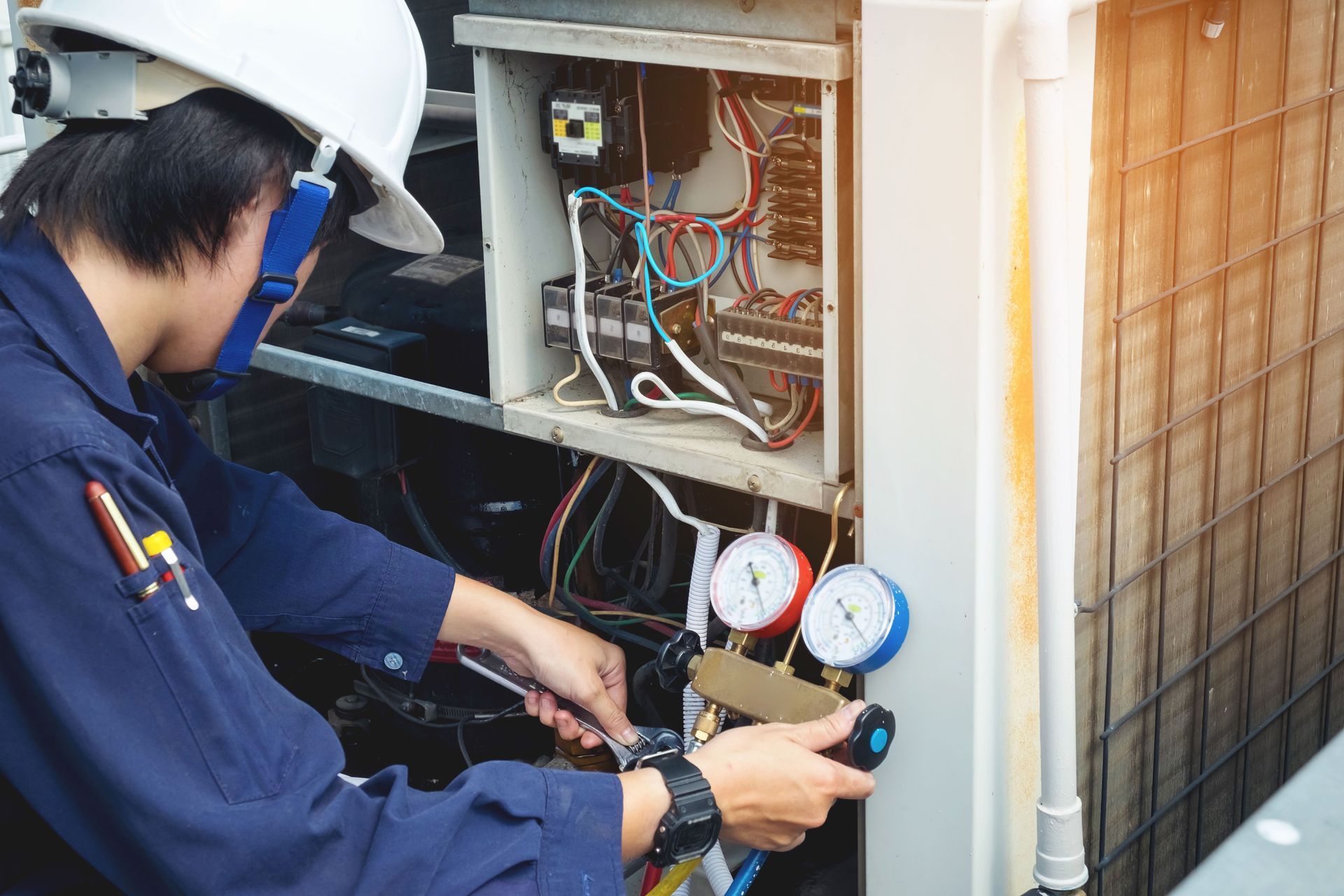
Refrigerant conditions are another important consideration. Low refrigerant can indicate a leak or another system problem and may affect cooling performance. Because refrigerant handling requires knowledge and equipment, homeowners should have suspected problems evaluated by a qualified HVAC professional rather than attempting to correct them independently.
Moving components can also benefit from appropriate professional maintenance. Proper lubrication, where applicable, helps reduce friction and unnecessary wear. Addressing these basic maintenance needs supports smoother operation and can decrease the likelihood of unexpected AC repairs.
Spot Early Warning Signs
Paying attention to changes in AC performance can help homeowners address problems while they are still manageable. Unusual sounds, for example, may indicate loose components, motor concerns, airflow restrictions, or other mechanical issues. Ignoring these sounds could allow a minor problem to become a more complicated repair.
Unusual moisture around an AC system should also receive prompt attention. Water accumulation may point to a drainage issue, while certain forms of moisture can indicate a refrigerant-related concern. Addressing the underlying cause early can help protect the equipment and surrounding areas from further damage.
Changes in cooling performance are another warning sign. If rooms no longer cool evenly or the system seems to run continuously without producing the expected comfort, something may be affecting its operation. A professional inspection can determine whether airflow, electrical components, refrigerant conditions, or another issue is responsible.
Homeowners can also pay attention to changes in energy consumption. A noticeable increase without a corresponding change in household usage may indicate that the AC system is operating inefficiently. Identifying the cause early can help prevent unnecessary strain and reduce the possibility of more extensive AC repairs.
Regular professional inspections provide another layer of protection. HVAC technicians can evaluate components that are difficult for homeowners to access and identify developing concerns that may not be obvious during routine household checks.
Extend System Life Through Preventive Care
Following the manufacturer's maintenance recommendations can help preserve the performance and reliability of an air conditioning system. Manufacturer guidance can address cleaning, inspections, operating practices, and component care specific to the equipment. Following those recommendations provides a practical foundation for preventive maintenance.
Professional tune-ups can complement the basic care homeowners perform themselves. An experienced technician can inspect electrical connections, mechanical components, airflow, refrigerant-related conditions, and other aspects of system performance. Professional attention can uncover issues that might otherwise remain unnoticed until they cause a failure.
Seasonal preparation is equally valuable. Before periods of heavy cooling demand, homeowners can have the system inspected to make sure it is ready for consistent operation. Addressing potential concerns ahead of peak demand may reduce the likelihood of inconvenient breakdowns when professional service is most needed.
Replacing worn components also protects the rest of the system. A deteriorating part may place additional stress on connected components, increasing the risk of a larger malfunction. Timely replacement can therefore be an important part of preventing unexpected AC repairs.
Homeowners can further support AC performance by improving conditions inside the home. Proper insulation, effective window coverings, and suitable ventilation can reduce the cooling burden placed on the system. When the home retains conditioned air effectively, the AC unit does not have to work harder than necessary.
Reduce Repair Costs Through Consistent Maintenance
Preventive maintenance can be financially beneficial because it focuses on identifying and correcting problems before they become more serious. A small maintenance concern may be relatively straightforward to address, while a neglected issue can potentially affect multiple components and lead to more involved AC repairs.
Efficient operation can also help control energy expenses. Clean filters, unobstructed airflow, properly maintained coils, and accurate controls allow the system to perform its cooling duties more effectively. When an AC unit does not have to compensate for preventable problems, it can operate more efficiently while maintaining indoor comfort.
Consistent maintenance can also contribute to a longer equipment life. Repeated strain, poor airflow, neglected cleaning, and unresolved mechanical concerns can accelerate wear. Keeping the system in good condition helps protect the investment homeowners have already made in their cooling equipment.
Maintenance records can provide additional value. Keeping documentation of professional inspections and service can make it easier to track the system's condition and demonstrate that recommended care has been performed. This documentation may also be useful when reviewing manufacturer warranty requirements.
Ultimately, preventive care replaces some of the uncertainty associated with unexpected failures with a more predictable approach to system management. Instead of waiting for a breakdown and then arranging urgent AC repairs, homeowners can address potential concerns as part of an ongoing maintenance strategy.
Support Comfort and Environmental Responsibility
Routine AC maintenance can benefit more than the equipment itself. An efficiently operating system generally requires less energy to deliver the desired level of cooling. Reducing unnecessary energy use can help lower household utility consumption while supporting more responsible energy practices.
Maintaining clean filters and proper airflow can also support healthier indoor conditions. A well-maintained system can help manage airborne particles and support effective air circulation. Regular attention to filters, coils, drainage, and ventilation can contribute to a cleaner and more comfortable indoor environment.
Responsible maintenance also includes proper handling of damaged or obsolete components. HVAC professionals can help ensure that removed parts and refrigerant-related materials are handled in accordance with applicable requirements. Responsible disposal and recycling practices can reduce unnecessary environmental impact.
Homeowners can make maintenance easier by establishing a consistent routine and responding promptly to changes in system performance. Learning the basic signs of trouble, scheduling professional inspections, and keeping the area around outdoor equipment clear can all support reliable operation.
Routine system upkeep is a practical way to reduce the risk of sudden AC failures while supporting efficiency, comfort, and equipment longevity. Simple maintenance tasks, professional inspections, early attention to warning signs, and timely component care can all help minimize the need for unexpected AC repairs. Preventive care can also reduce unnecessary energy use and help homeowners get more dependable performance from their cooling systems.
If your AC system needs maintenance or professional attention, contact Quality Plumbing, Heating & Air Conditioning for dependable HVAC service and help keeping your home comfortable.